Trading Successfully with Swing Trading Strategies for Beginners
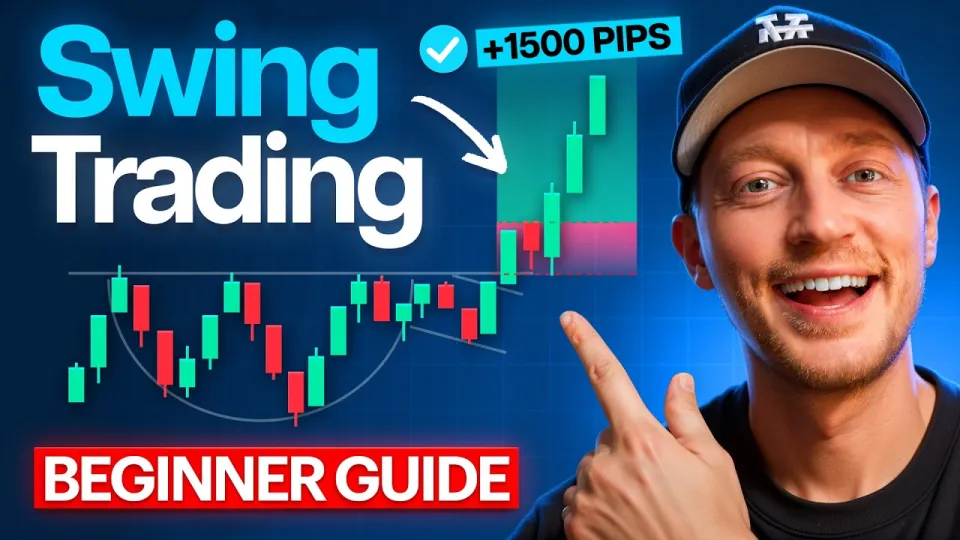
Video: How to Start Swing Trading the Complete Beginner's Guide
You can order the same kind of articles for your own video to boost it on YouTube and Google. Just message the Telegram bot @sat_sit_bot. Articles with your video embedded are written and posted by the bot itself — on popular topical sites (no ads). Try it free: 50 articles on us.
· based on the channel Trade with Pat
Swing trading is a popular trading style that allows traders to capture gains by holding positions for several days to weeks, focusing on medium-term price moves rather than quick intraday fluctuations. For those looking to start trading, swing trading offers a less stressful yet potentially profitable approach that balances risk and reward effectively. To begin swing trading, it’s important to understand key strategies, risk management principles, and how to identify suitable trades. You can also join a supportive trading community like Trade with Pat’s free community to access helpful signals and guidance.
What is Swing Trading and Why Choose It
Swing trading involves holding positions from a few days up to several weeks to profit from expected price swings. Unlike day trading, which requires constant screen time, swing trading allows more flexible monitoring while still capturing meaningful market moves. It is less stressful and suits traders who prefer a moderate pace and can tolerate overnight risk. Swing traders typically analyze technical patterns, trends, and key price levels to time entries and exits.
Essential Swing Trading Strategies
To start swing trading effectively, focus on strategies that identify trend direction and potential reversal points:
- Trend Following: Identify the prevailing trend using moving averages or trendlines and enter trades in the direction of the trend.
- Price Action: Use candlestick patterns and chart formations like flags, pennants, or double bottoms to anticipate price moves.
- Support and Resistance: Locate strong support or resistance zones where price tends to bounce or reverse, using these as entry or exit points.
Combining these strategies helps traders find high-probability setups with clear risk-reward profiles.
Managing Risk in Swing Trading
Risk management is critical for preserving capital and growing profits. Key principles include:
- Position Sizing: Limit the size of each trade relative to your total account to control risk exposure.
- Stop Loss Orders: Always set stop losses below support or above resistance to exit losing trades quickly.
- Risk-Reward Ratio: Aim for trades with at least a 1:2 risk-reward ratio to ensure profitable trades outweigh losses.
Discipline in following these rules helps manage drawdowns and maintain trading confidence.
Common Challenges and How to Overcome Them
Many new swing traders face challenges such as:
- Emotional Stress: Managing fear and greed by following a tested strategy and sticking to risk limits.
- Overtrading: Avoid entering too many positions; focus on quality setups.
- Market Volatility: Adapt to changing market conditions by adjusting stop losses and trade frequency.
Learning from experienced traders and joining communities like Trade with Pat’s free signals can provide valuable insights and support.
Practical Steps to Start Swing Trading
- Open a trading account with a reliable broker offering access to forex, stocks, or crypto.
- Study swing trading strategies and practice on a demo account.
- Develop a trading plan including entry criteria, exit rules, and risk management.
- Join a community or follow trusted educators such as Trade with Pat for ongoing guidance.
- Start trading with small size, gradually increasing as confidence and skills improve.
Useful Resources for Swing Traders
- Trade with Pat Free Community — join for signals, education, and support.
- TradingView — charting platform to analyze price action.
- Trade with Pat VIP Telegram — for advanced insights.
Conclusion
Swing trading is an accessible and potentially rewarding method for new traders wanting to avoid the high intensity of day trading. With a focus on medium-term trends, sound strategies, and disciplined risk management, traders can build consistent profits over time. Joining a knowledgeable community like Trade with Pat provides valuable support and resources to accelerate learning and improve results. Start with education, practice carefully, and use tools and signals to enhance your swing trading journey.
Explore more and get started with swing trading by joining Trade with Pat’s free community today.
Key takeaways
- Swing trading holds positions for several days to weeks aiming for medium-term gains
- Key strategies include trend following, price action, and support/resistance analysis
- Risk management with stop losses and position sizing is crucial for success
- Swing trading reduces stress compared to day trading by avoiding constant monitoring
- Trade with Pat’s community offers free signals and resources to support beginners
Questions & answers
What is swing trading and how does it differ from day trading?
Swing trading involves holding positions for several days to weeks to capture medium-term price moves, whereas day trading closes all positions before the market closes, focusing on short-term intraday movements.
How important is risk management in swing trading?
Risk management is crucial in swing trading to protect capital and ensure long-term success. Using stop losses, proper position sizing, and maintaining a favorable risk-reward ratio helps manage losses and maximize profits.
Can beginners start swing trading without prior experience?
Yes, beginners can start swing trading by learning fundamental strategies, practicing on demo accounts, and joining supportive communities like Trade with Pat. Starting small and following a clear plan reduces risks.
What are common challenges new swing traders face and how to overcome them?
New traders often struggle with emotional stress, overtrading, and adapting to market volatility. Overcoming these requires discipline, sticking to strategies, limiting trade frequency, and continuous learning from experienced traders.
Source: How to Start Swing Trading the Complete Beginner's Guide · Markdown version